

Back to Multiaxial / Non-crimp Fabrics
Biaxial Fabrics
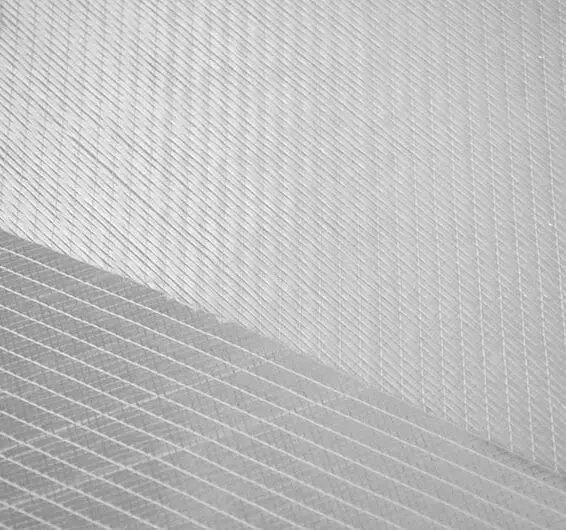
Biaxial fabrics are non-crimp composite reinforcements consisting of two layers of fibres orientated in specific directions, typically +45°/-45°, held together using polyester stitching yarns.
Unlike traditional woven fabrics, biaxial materials minimise fibre crimp, allowing for improved load transfer, enhanced mechanical properties and more efficient laminate performance.
Fibre orientation can be tailored to suit the application, providing optimised strength, stiffness and impact resistance in the required directions.
Key Benefits
-
Improved mechanical performance through optimised fibre orientation
-
Enhanced resistance to fatigue and impact
-
Reduced fibre crimp compared to woven fabrics
-
Improved stability during handling and cutting
-
Excellent drape characteristics, particularly in ±45° constructions
-
Improved surface finish and reduced print-through
Product Range
Cristex supplies a range of biaxial fabrics in both carbon and glass fibre, available in various weights and configurations.
-
Standard fibre orientations: +45°/-45°
-
Alternative angles available on request
-
Standard width: 1270 mm (other widths available subject to MOQ)
-
±45° fabrics can be supplied with an additional chopped strand mat (CSM) layer
These configurations allow materials to be tailored to both structural and processing requirements.
Available Grades & Specifications
Below is a selection of our standard biaxial fabric styles. Additional specifications are available on request.
| Weight (g/m²) | Fibre | +45° | -45° | Width (mm) | Datasheet |
|---|---|---|---|---|---|
| 206 | 50K Carbon | 100 | 100 | 1270 | |
| 306 | 50K Carbon | 150 | 150 | 1270 | |
| 406 | 50K Carbon | 200 | 200 | 1270 | |
| 606 | 50K Carbon | 300 | 300 | 1270 |
| Weight (g/m²) | +45° | -45° | CSM | Width (mm) | Datasheet |
|---|---|---|---|---|---|
| 302 | 145 | 145 | — | 1270 | |
| 444 | 217 | 217 | — | 1270 | |
| 610 | 300 | 300 | — | 1270 | |
| 810 | 401 | 401 | — | 1270 | |
| 835 | 301 | 301 | 225 | 1270 | |
| 996 | 494 | 494 | — | 1270 | |
| 1110 | 401 | 401 | 300 | 1270 | |
| 1210 | 601 | 601 | — | 1270 |
Request Datasheet
Complete the form below and our team will send the datasheet for this product over to you.
- Product
Request received
Thanks — your datasheet request has been sent to our team. We aim to respond within one working day, and the datasheet will arrive at the email address you provided.
Applications
Biaxial fabrics are widely used in structural composite applications where directional strength and efficiency are critical, including:

-
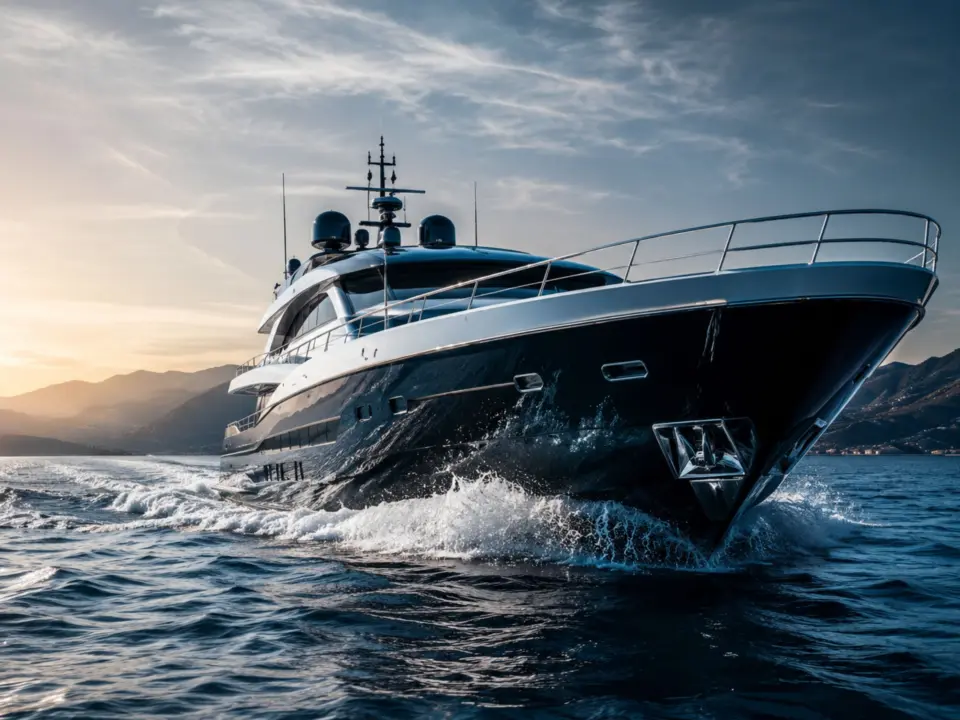
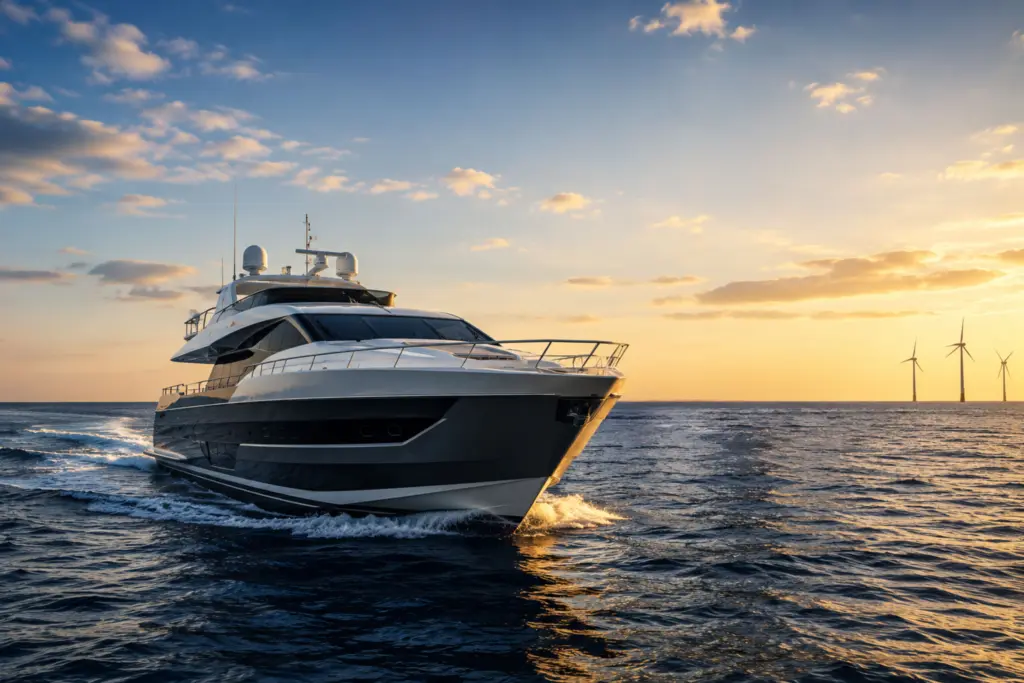
Marine structures and hull construction
-
Wind energy components
-
Automotive and transport structures
-
Industrial composite components
-
Tooling and mould applications
Looking to optimise strength, drape or laminate performance?
Speak to our team about biaxial fabric solutions.
Related Products
Explore a selection of related products within the Cristex range, offering various options with comparable performance and specifications to support your project requirements.
-
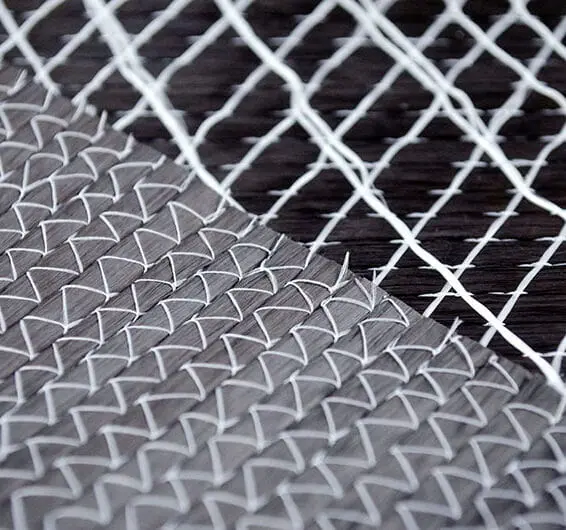
Unidirectional Fabrics (NCF)
Unidirectional non-crimp fabrics (UD NCF) are advanced composite reinforcements designed to maximise fibre performance by aligning fibres in a single direction without the crimp associated with traditional woven fabrics.
Find out More -
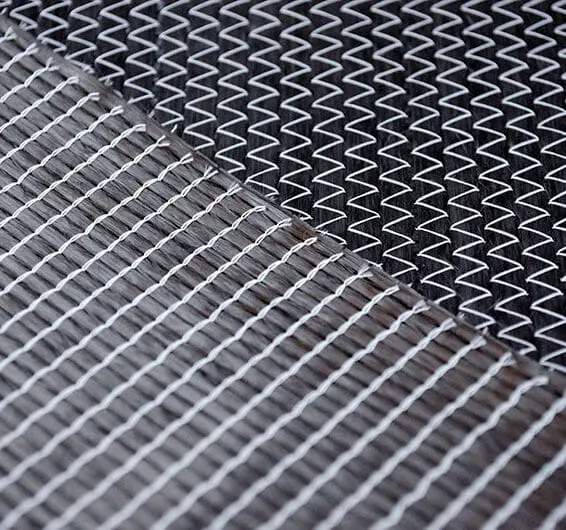
Bidirectional Fabrics
Bidirectional fabrics are non-crimp composite reinforcements with fibres aligned in two principal directions, typically 0°/90°, and held together using polyester stitching yarns.
Find out More -
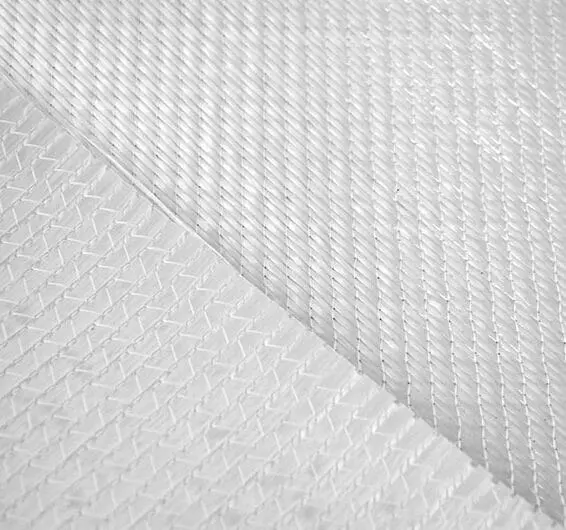
Quadraxial Fabrics
Quadaxial fabrics are non-crimp composite reinforcements consisting of four fibre layers orientated in multiple directions, typically 0°, 90° and +45°/-45°, stitched together using polyester yarns.
Find out More -
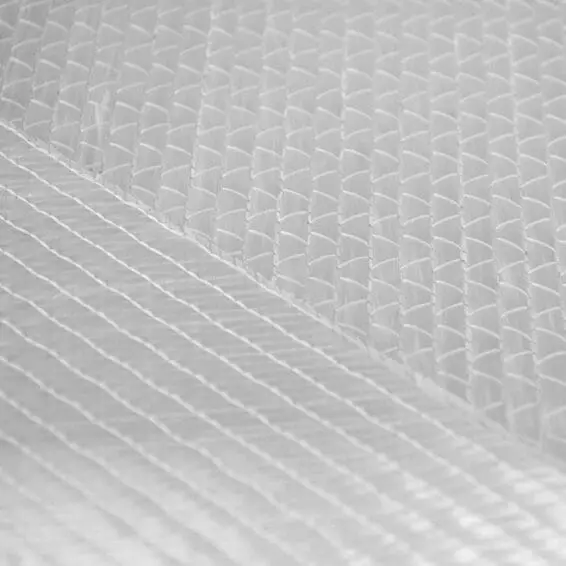
Triaxial Fabrics
Triaxial fabrics are non-crimp composite reinforcements consisting of three fibre layers orientated in multiple directions, typically +45°/-45° with either 0° or 90°, stitched together using polyester yarns.
Find out More